Ibn Haldun University Represented at the 3rd Islamic Finance Forum in Baku

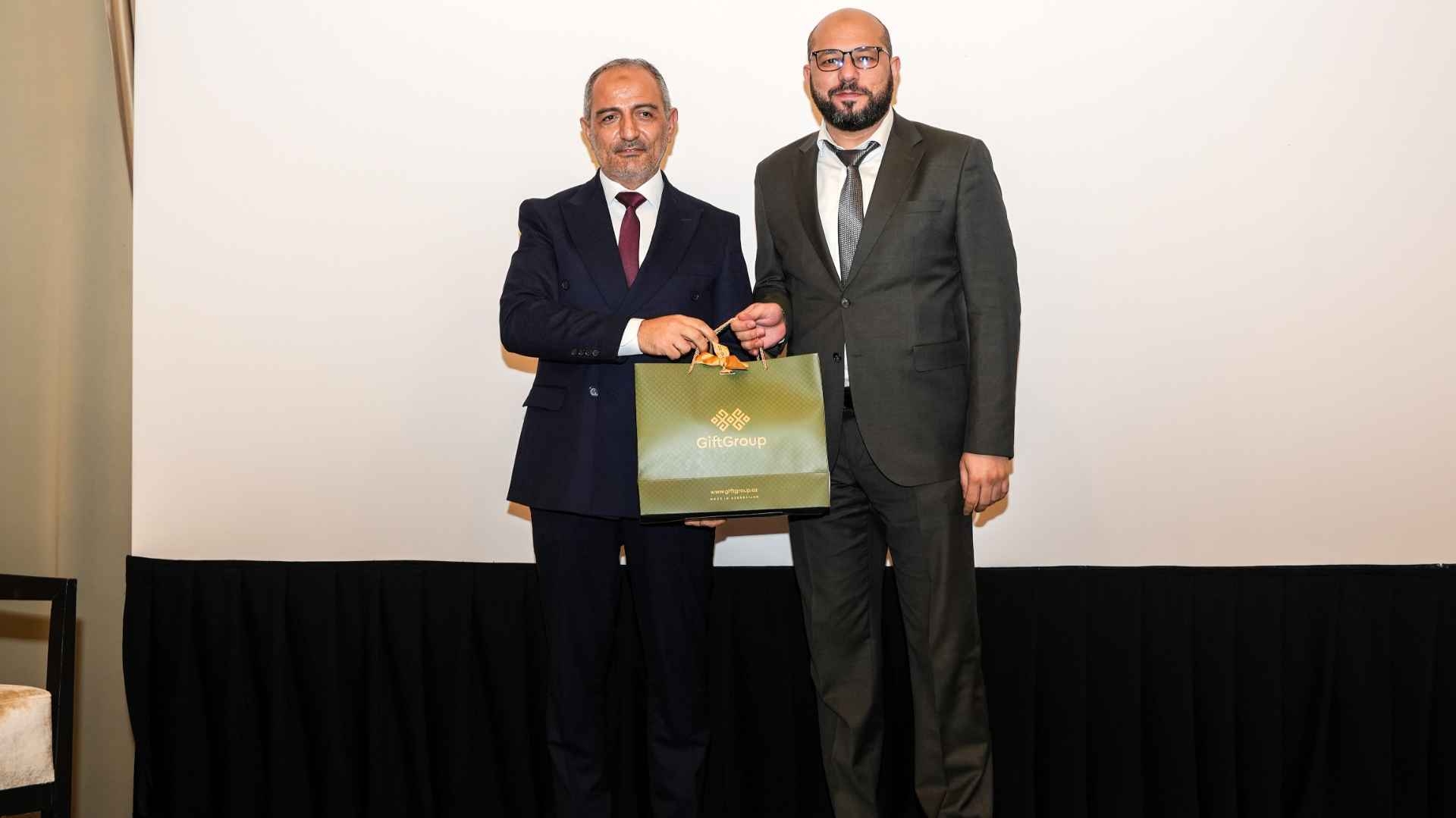
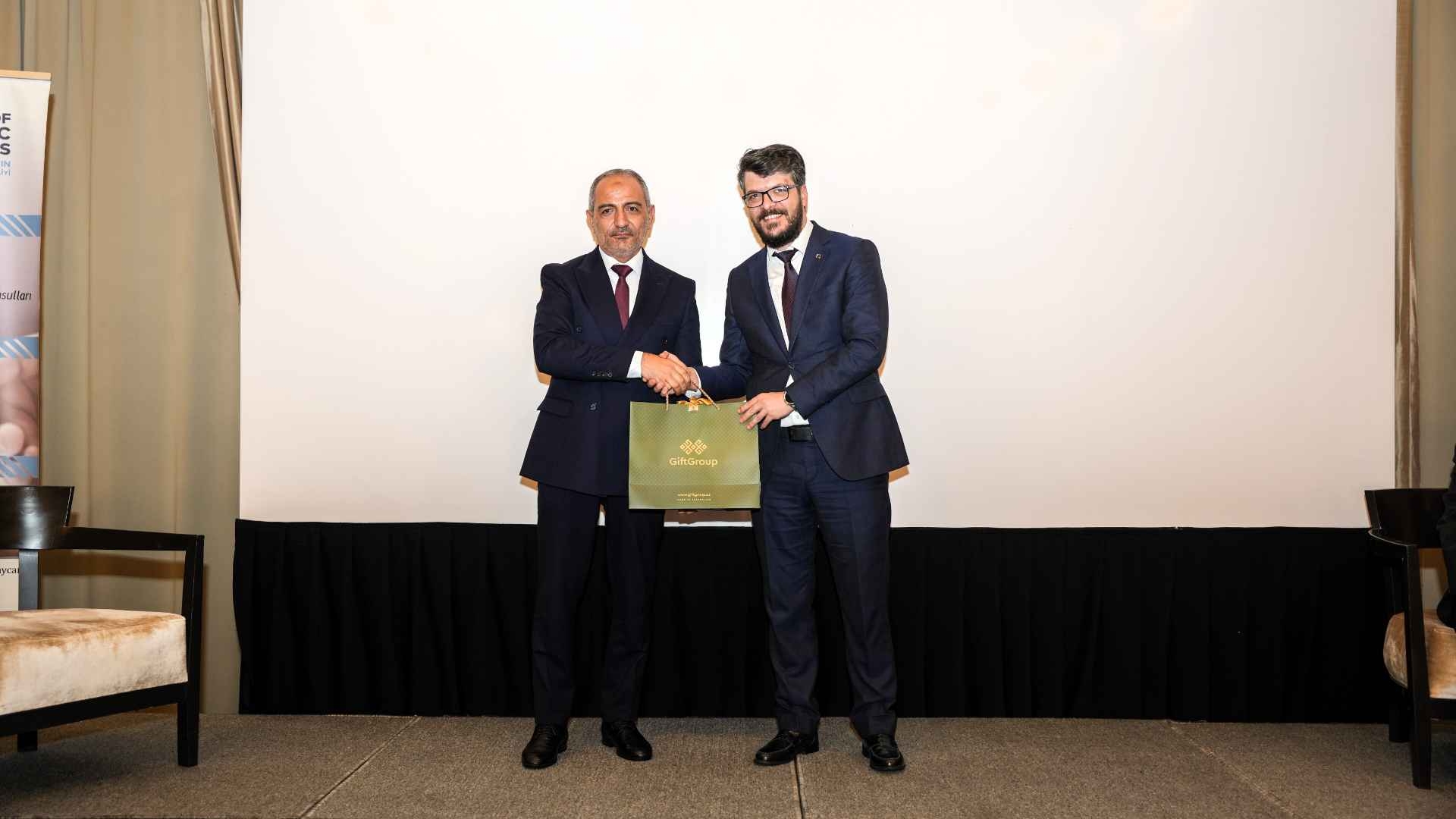
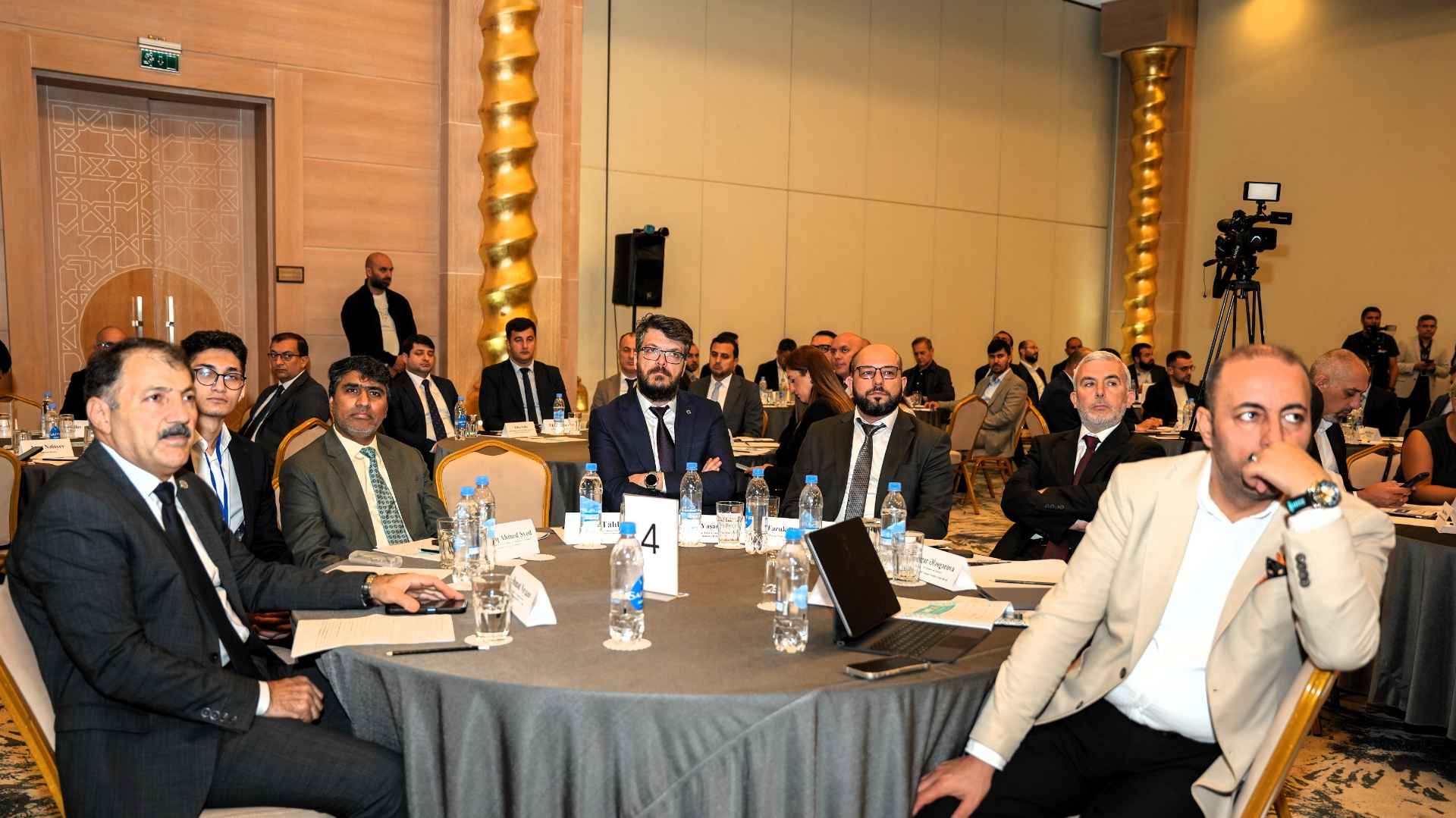
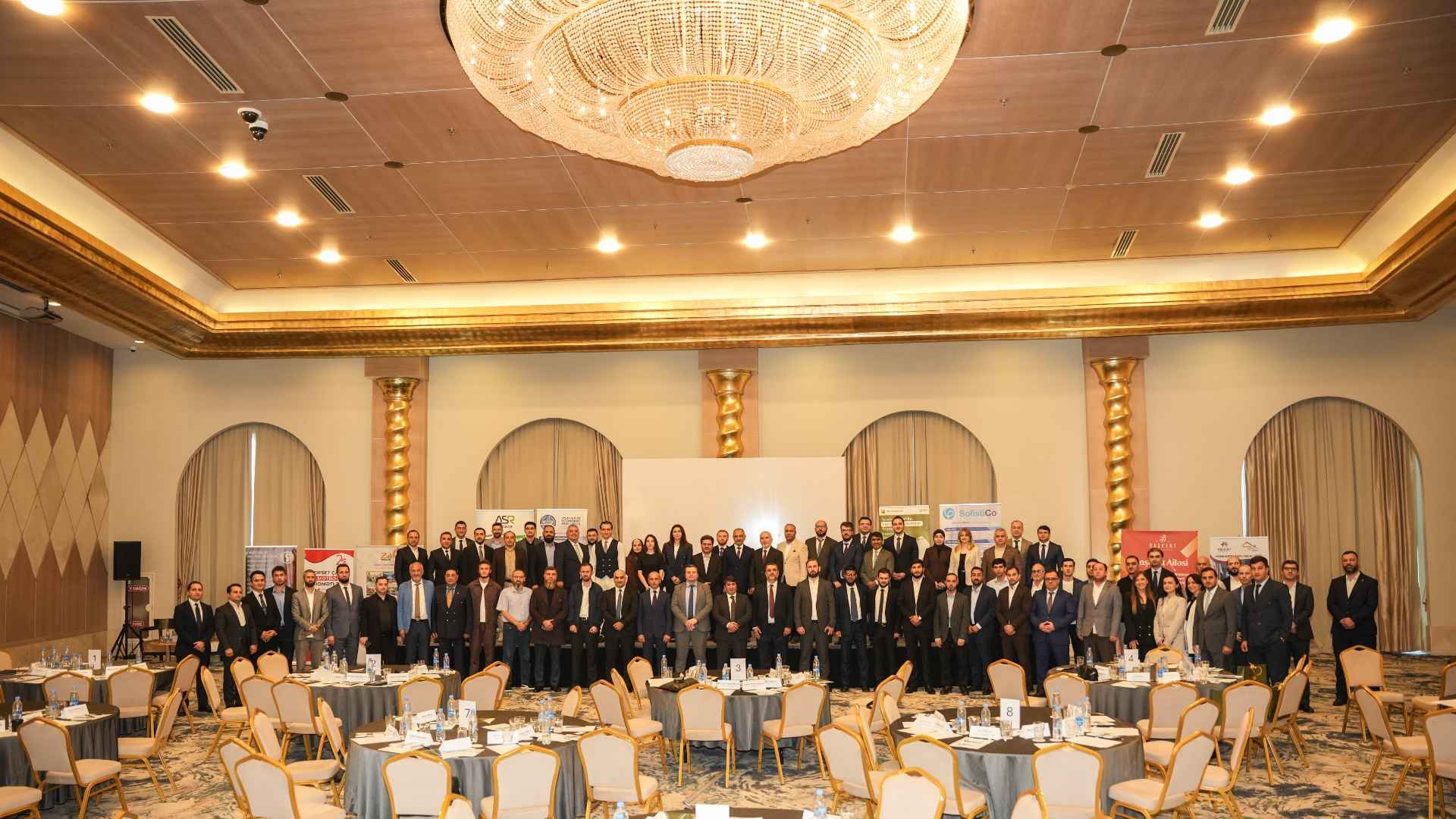
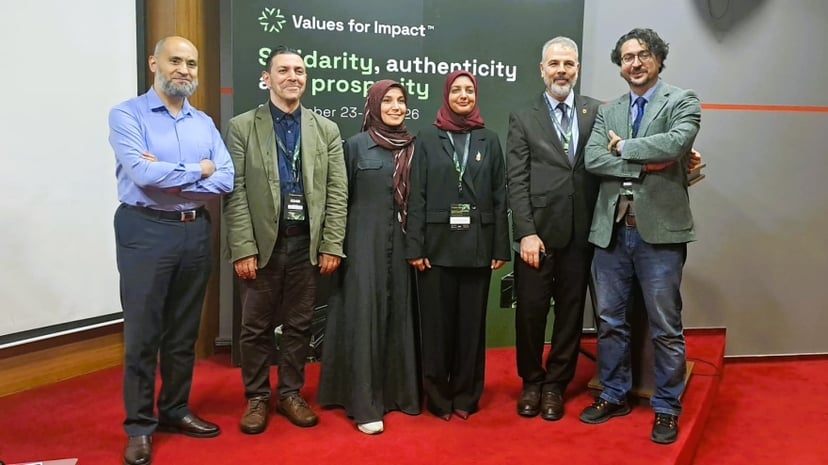
IHU academics Münir Yaşar Kaya and Faruk Emrah Oruç presented on participation finance literacy and Hajj savings management at the 3rd Islamic Finance Forum in Baku on October 22, 2026.
The 3rd Islamic Finance Forum was held in Baku, Azerbaijan, on October 22, 2026, with contributions from institutions including the Central Bank of Azerbaijan, the Accounting and Auditing Organization for Islamic Financial Institutions (AAOIFI), the Participation Banks Association of Türkiye (TKBB), and the Investment and Finance Office of the Presidency of the Republic of Türkiye. Ibn Haldun University was represented by Rector's Advisors and CIEF Advisory Board members Assoc. Prof. Münir Yaşar Kaya and Assoc. Prof. Faruk Emrah Oruç.
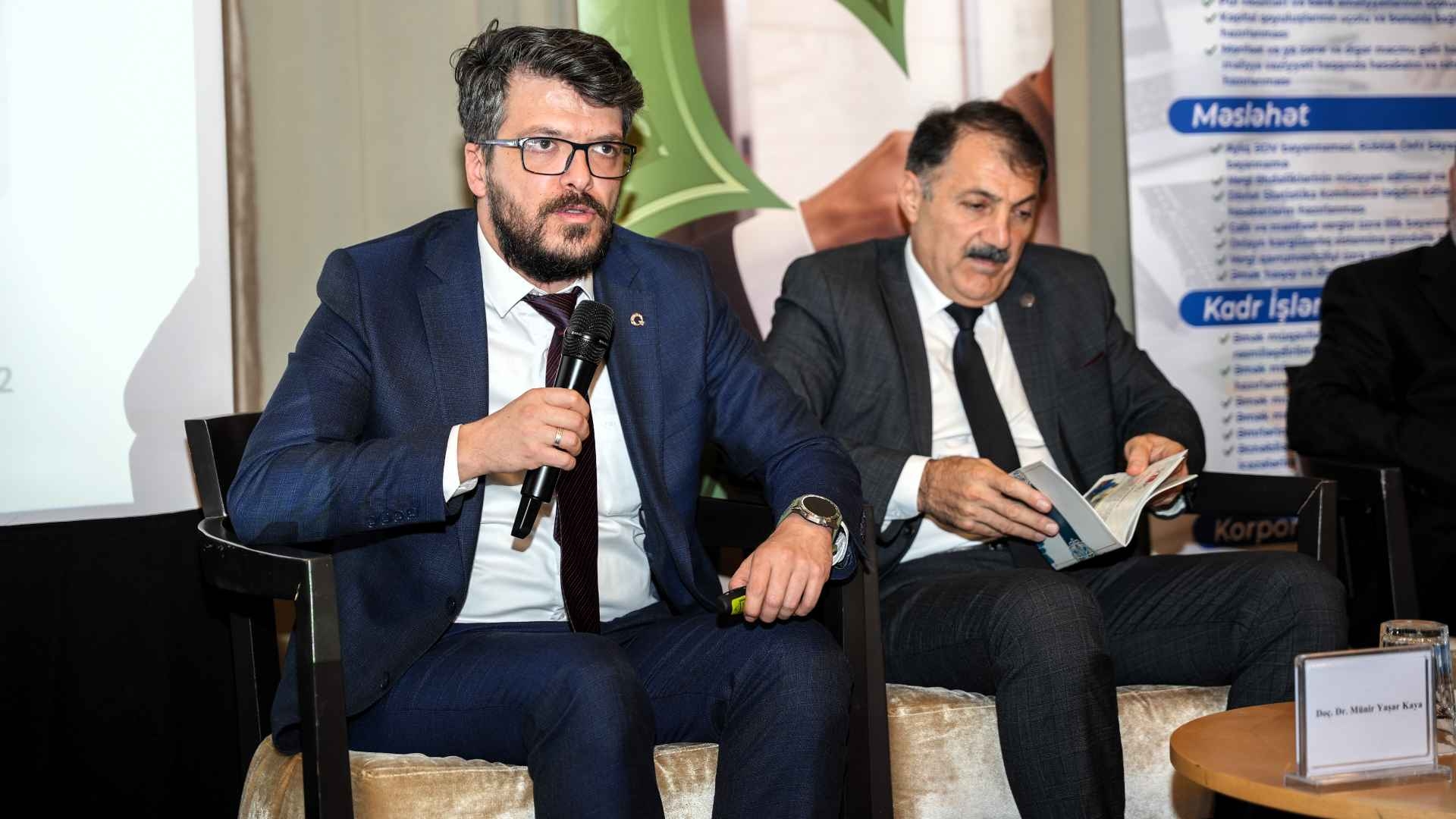
Assoc. Prof. Münir Yaşar Kaya delivered a presentation titled "A Public-Academia Collaboration Model for Islamic Financial Literacy: Katılım Genç Gelişim". He introduced the program, which has been implemented under the auspices of the Presidency's Investment and Finance Office since 2021. Kaya reported that the program had received more than 13,000 applications over five cohorts and that over 250 graduates had secured employment in participation finance institutions. He outlined its progressive structure, comprising foundational training in Turkish, advanced training in English, and project development and hackathon stages. He also announced that the 2026 cohort would include participants from Azerbaijan for the first time. Kaya further stated that a new cycle of the Katılım Genç Gelişim Program would be launched in collaboration with the Presidency's Investment and Finance Office, Ibn Haldun University, and Marmara University's Institute of Islamic Economics and Finance (MÜİSEF).
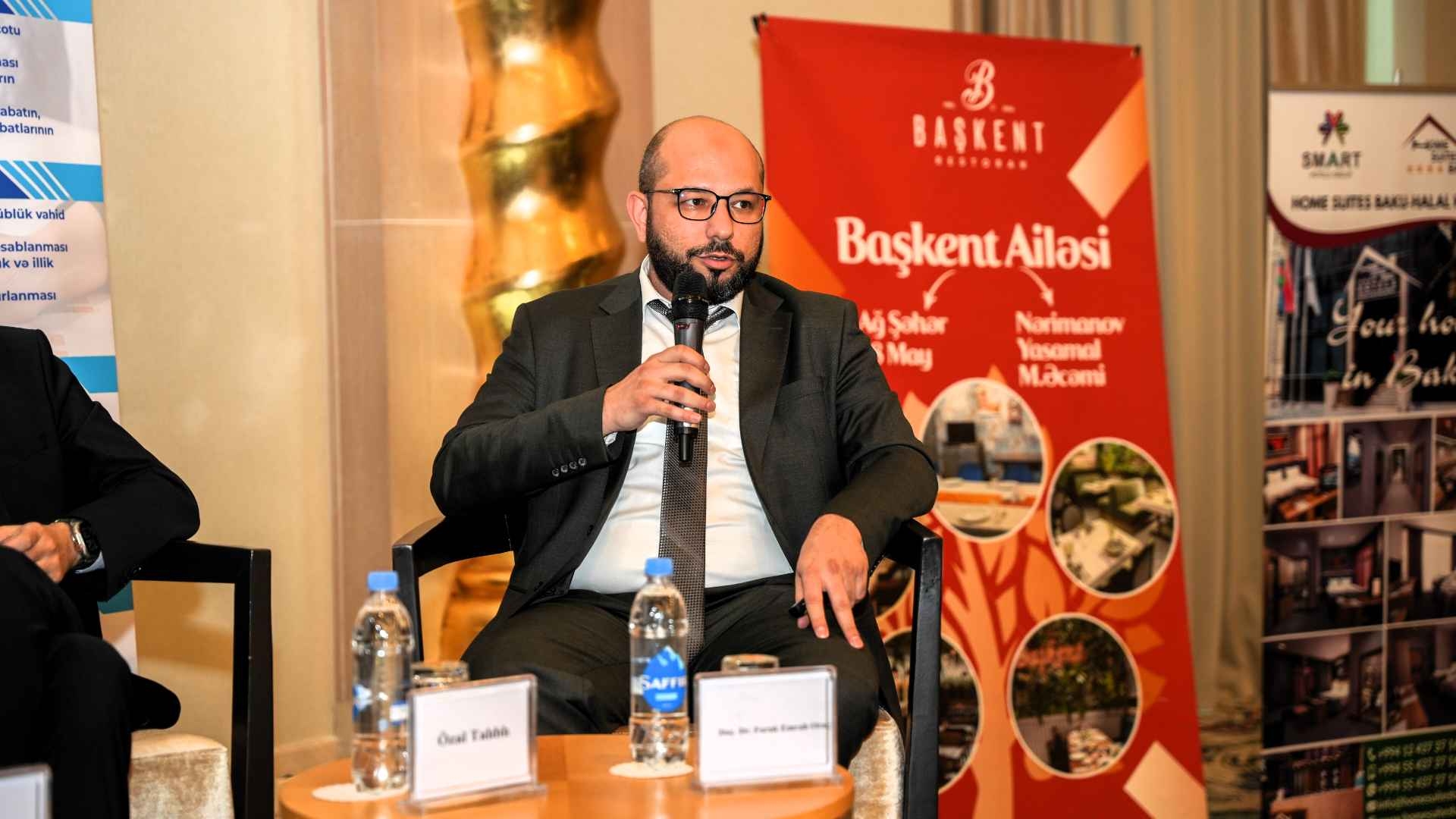
Assoc. Prof. Faruk Emrah Oruç presented "Management of Hajj Savings: International Experiences, Fiqh Considerations, and the Waqf Option". Drawing on the experiences of Malaysia's Tabung Haji and Indonesia's Hajj fund arrangements, he examined four key jurisprudential principles governing the management of Hajj savings: Each depositor's profit must derive from returns on their own funds; profits cannot be distributed before capital is preserved; partnership and capital guarantees cannot coexist; and the sectors in which funds are invested are also significant.
For Türkiye, Oruç proposed a nonprofit waqf model to be established through public initiative. He also noted that Ibn Haldun University and the Presidency's Investment and Finance Office were jointly working on the details of this proposed model.
Photos
Related Content

Malaysian MAIWP Delegation Visited Ibn Haldun University

Dr. Fatih Al of CIEF Presented Research on Faith and Moral Agency at IHU
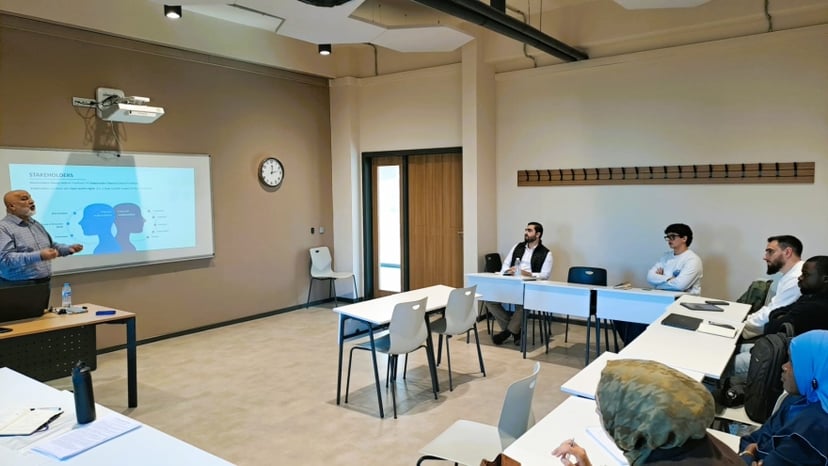
Prominent Islamic Finance Expert Farrukh Raza Joined IEF 514 at IHU
CIEF Provided Academic Support to the FinansGenç Capital Markets Workshop
Professor Mehmet Asutay of Durham University Explored the Foundations of Islamic Economics with IEF Students
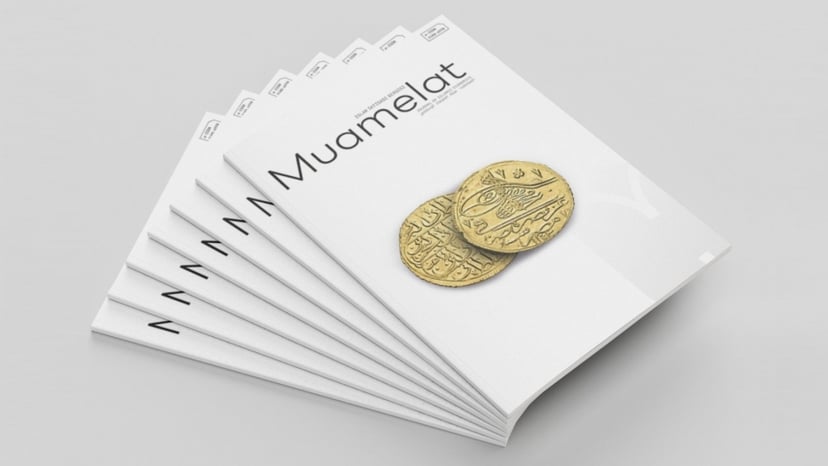
The Third Issue of Muamelat: Journal of Islamic Economics Has Been Published
IHU Contributed to Values for Impact 2026 as a Strategic Partner
CIEF Hosted a Delegation from Universiti Sultan Zainal Abidin