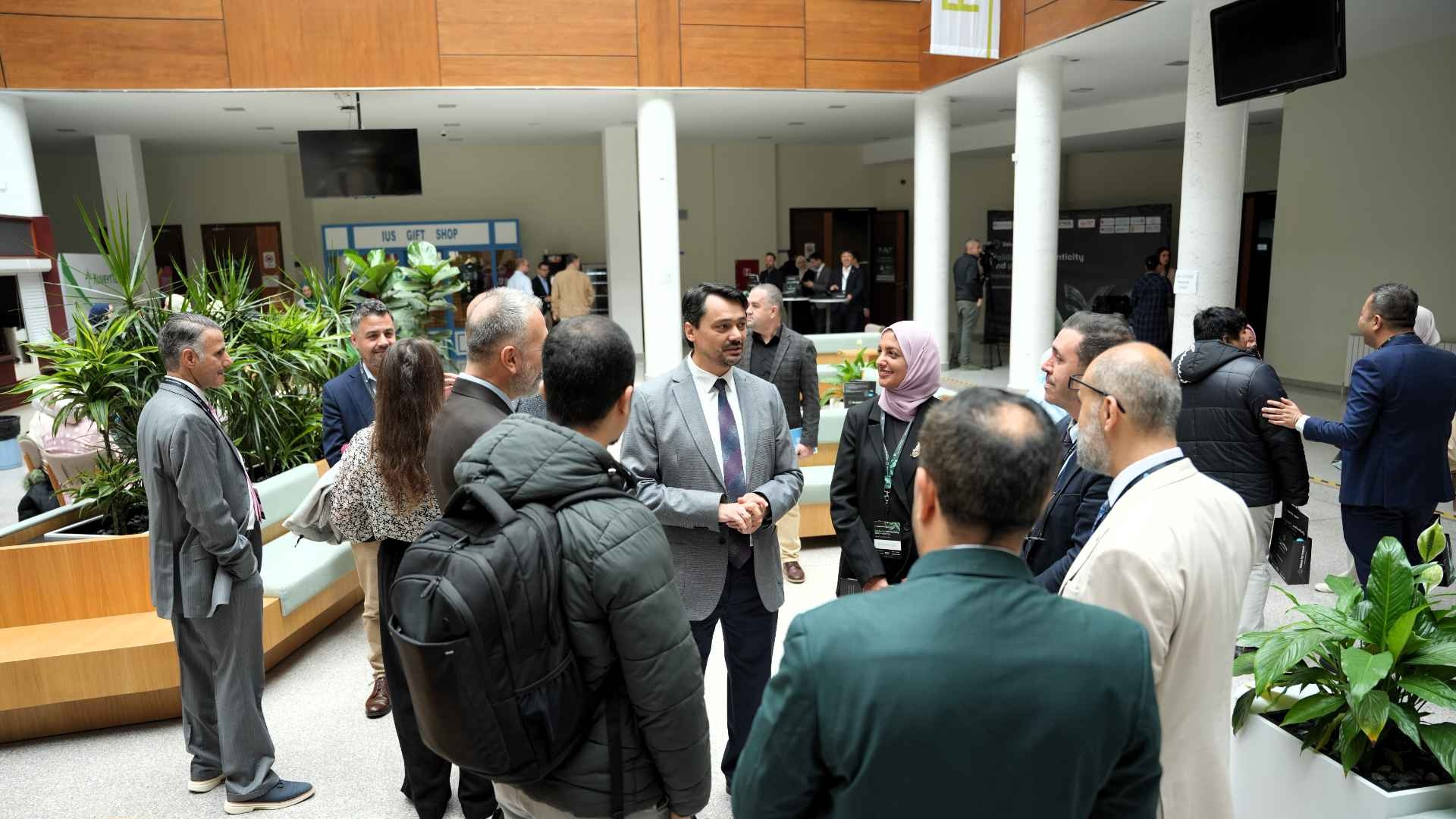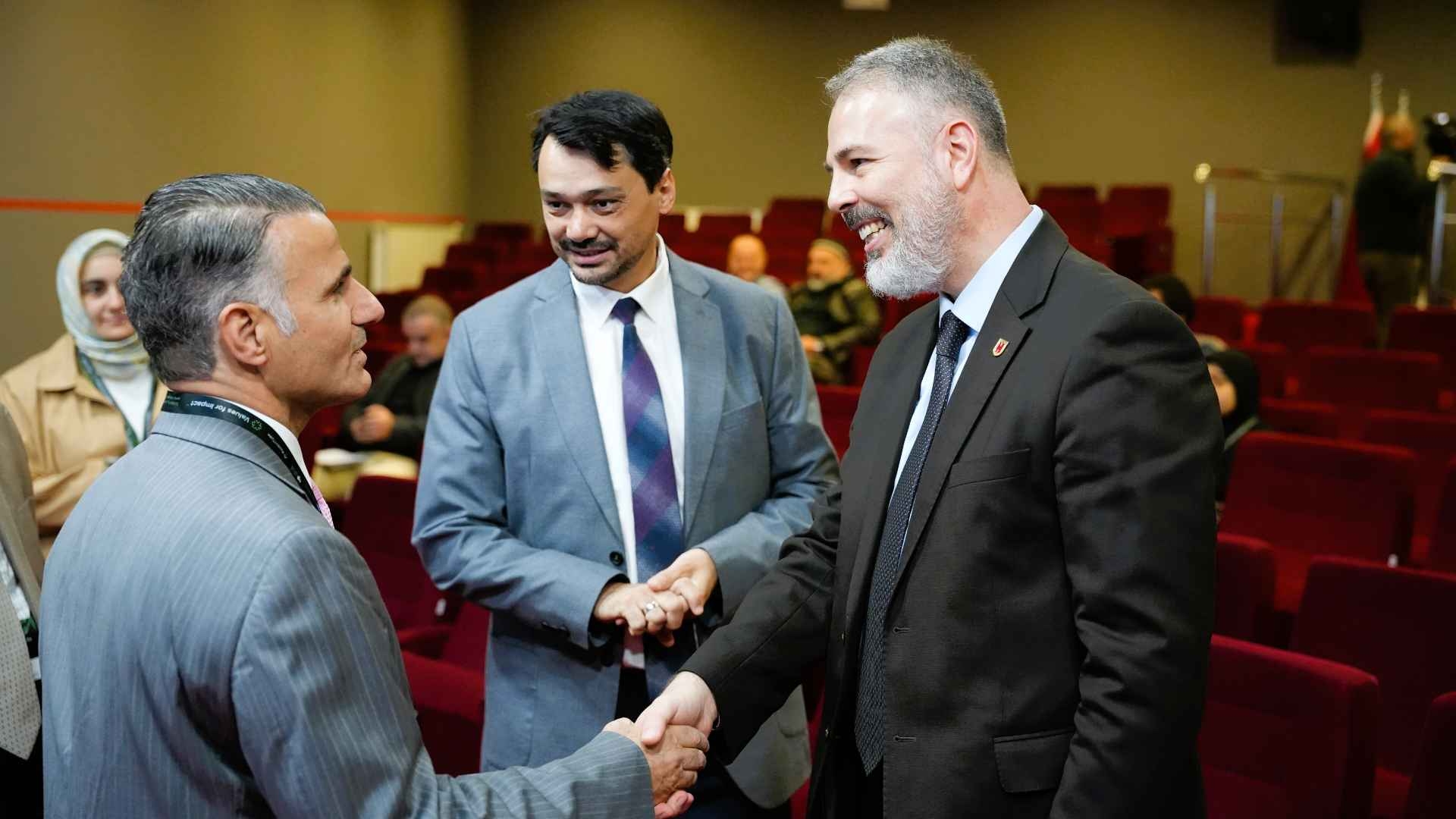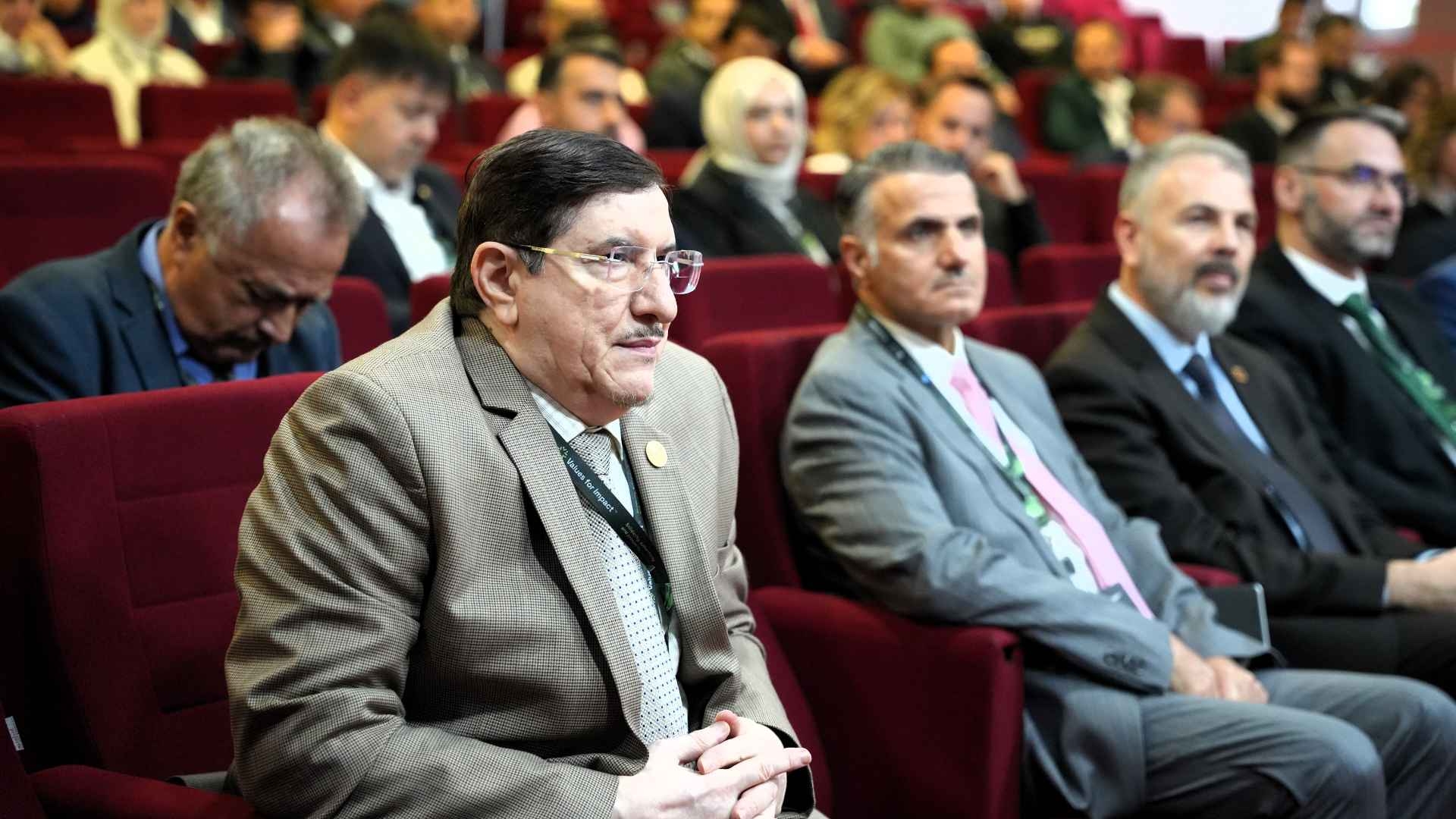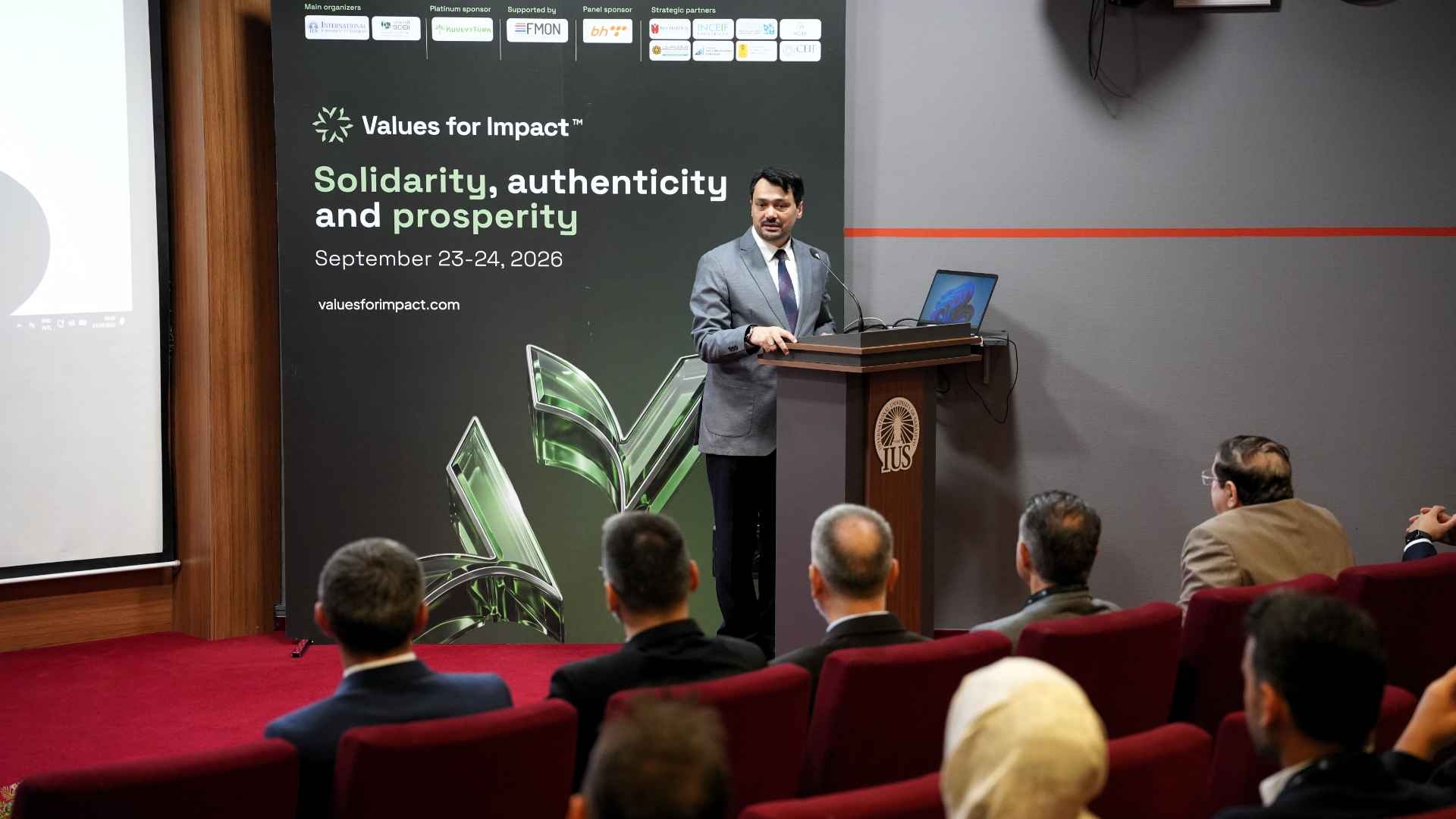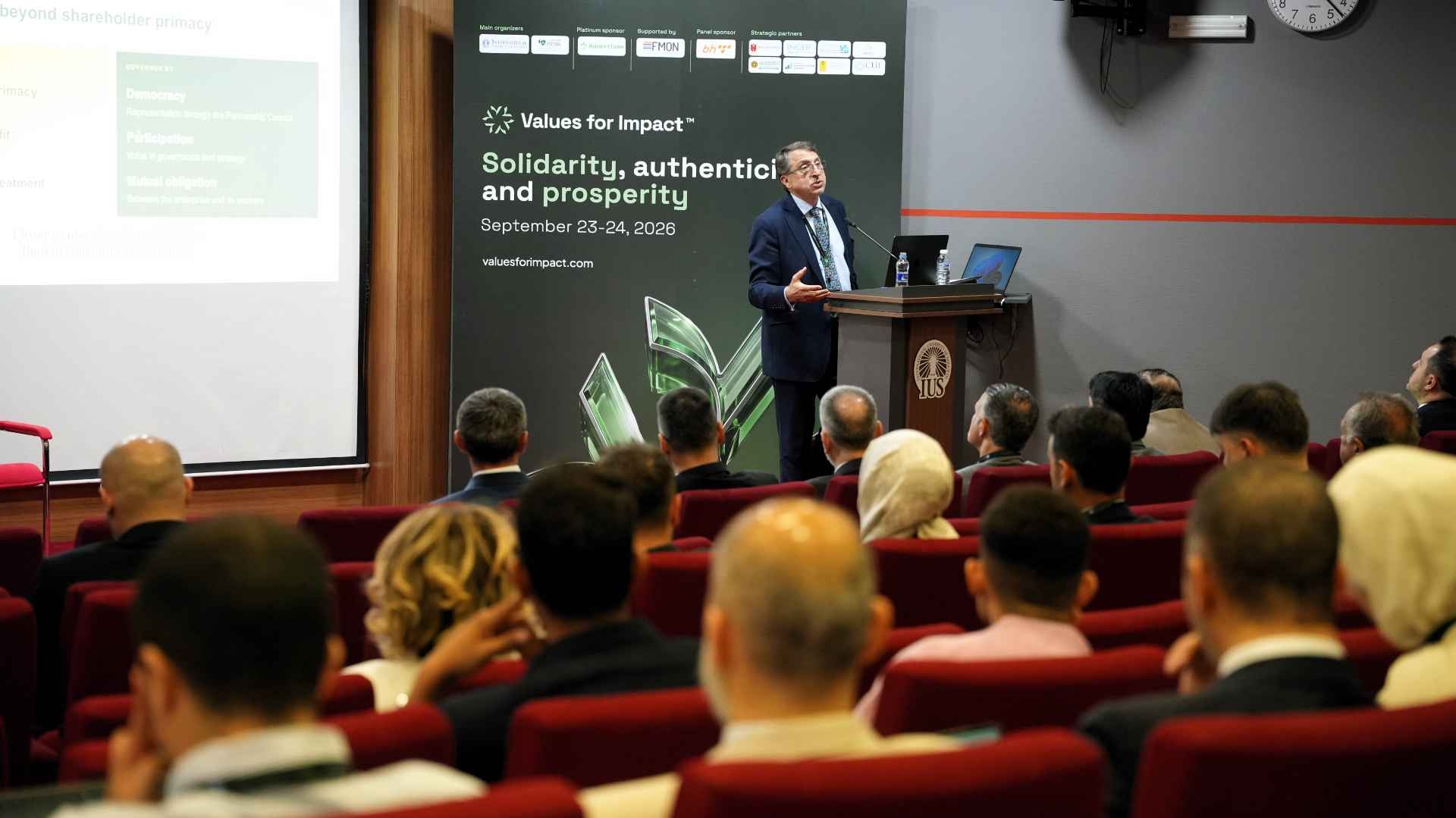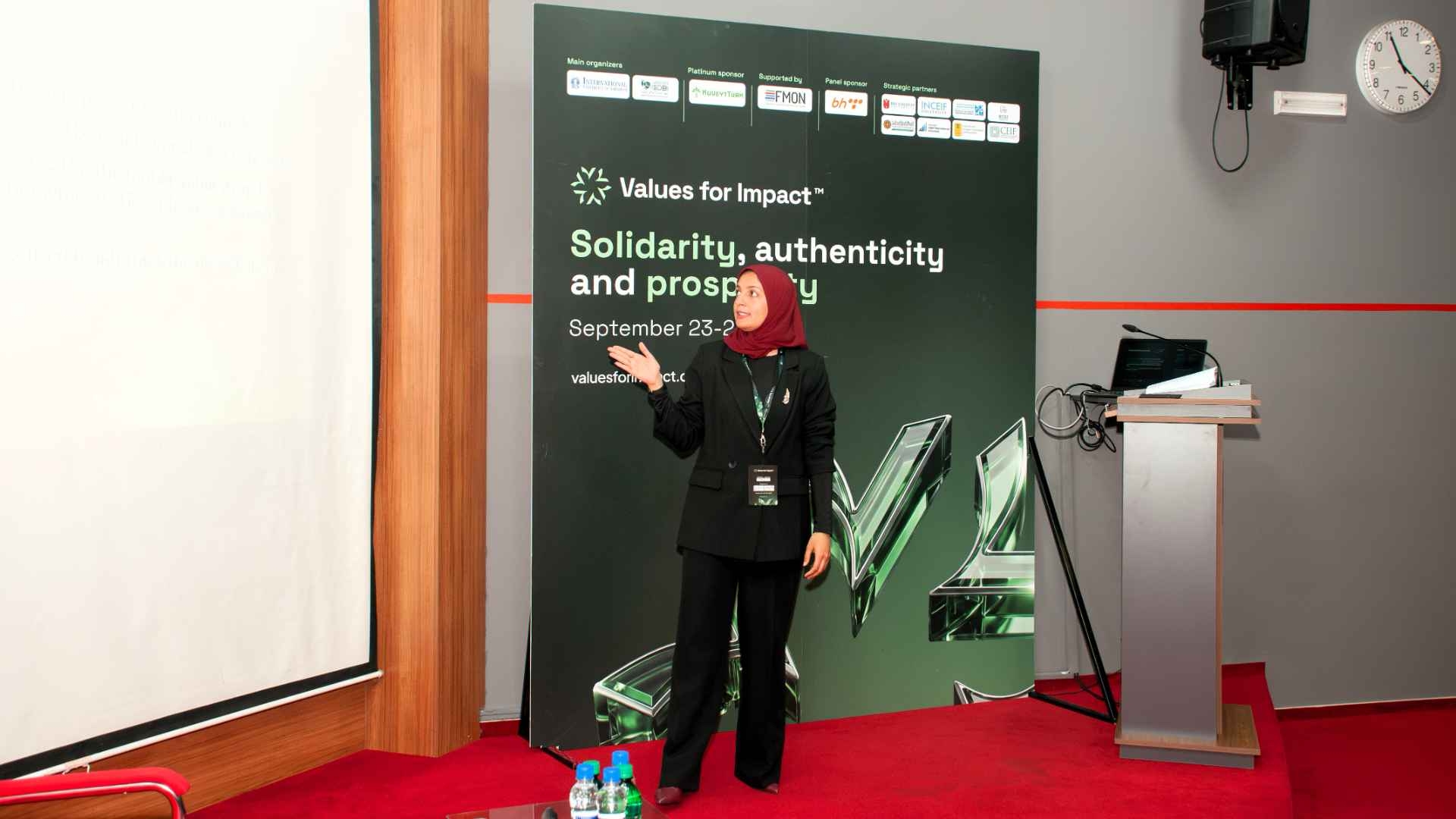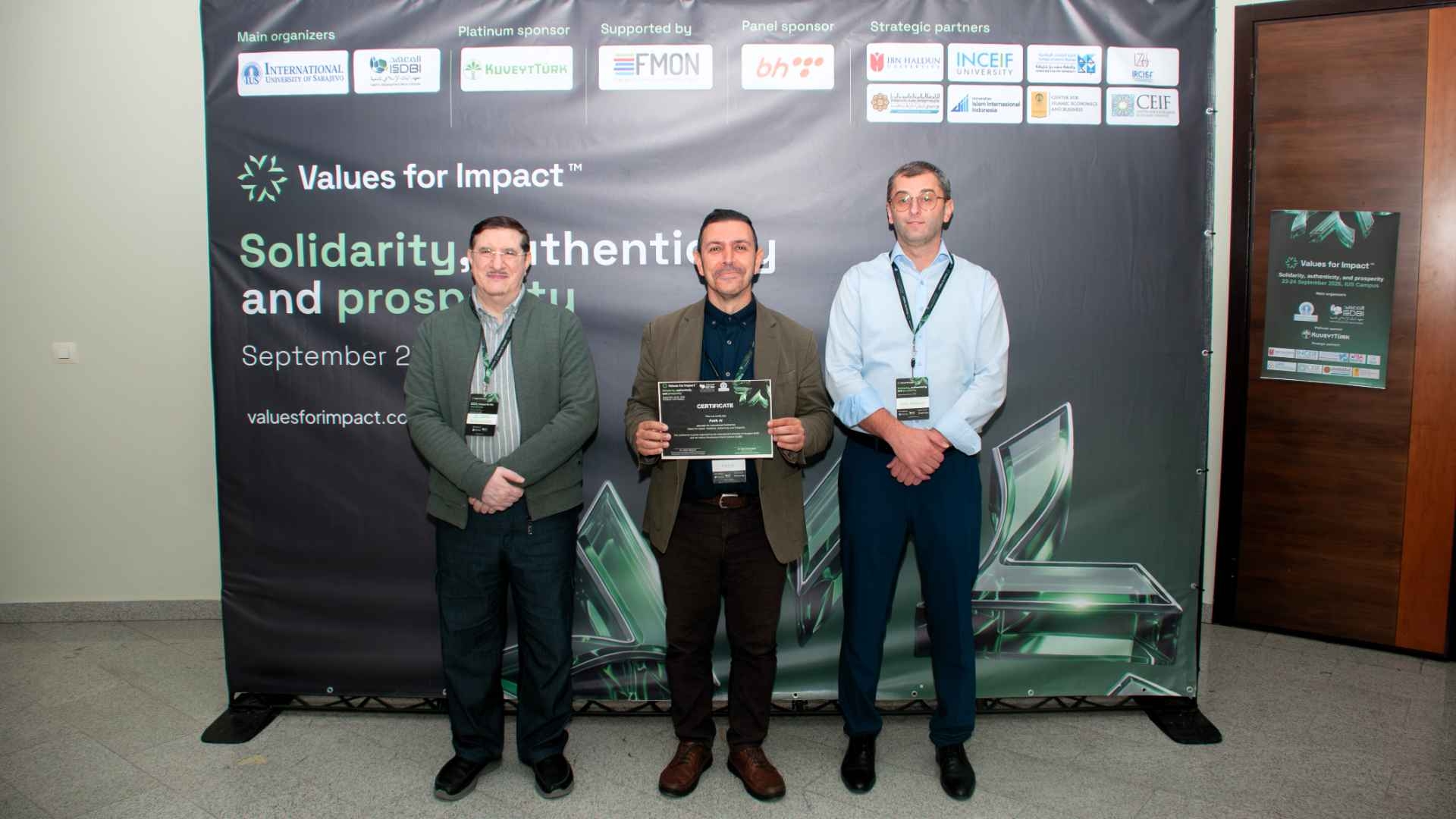
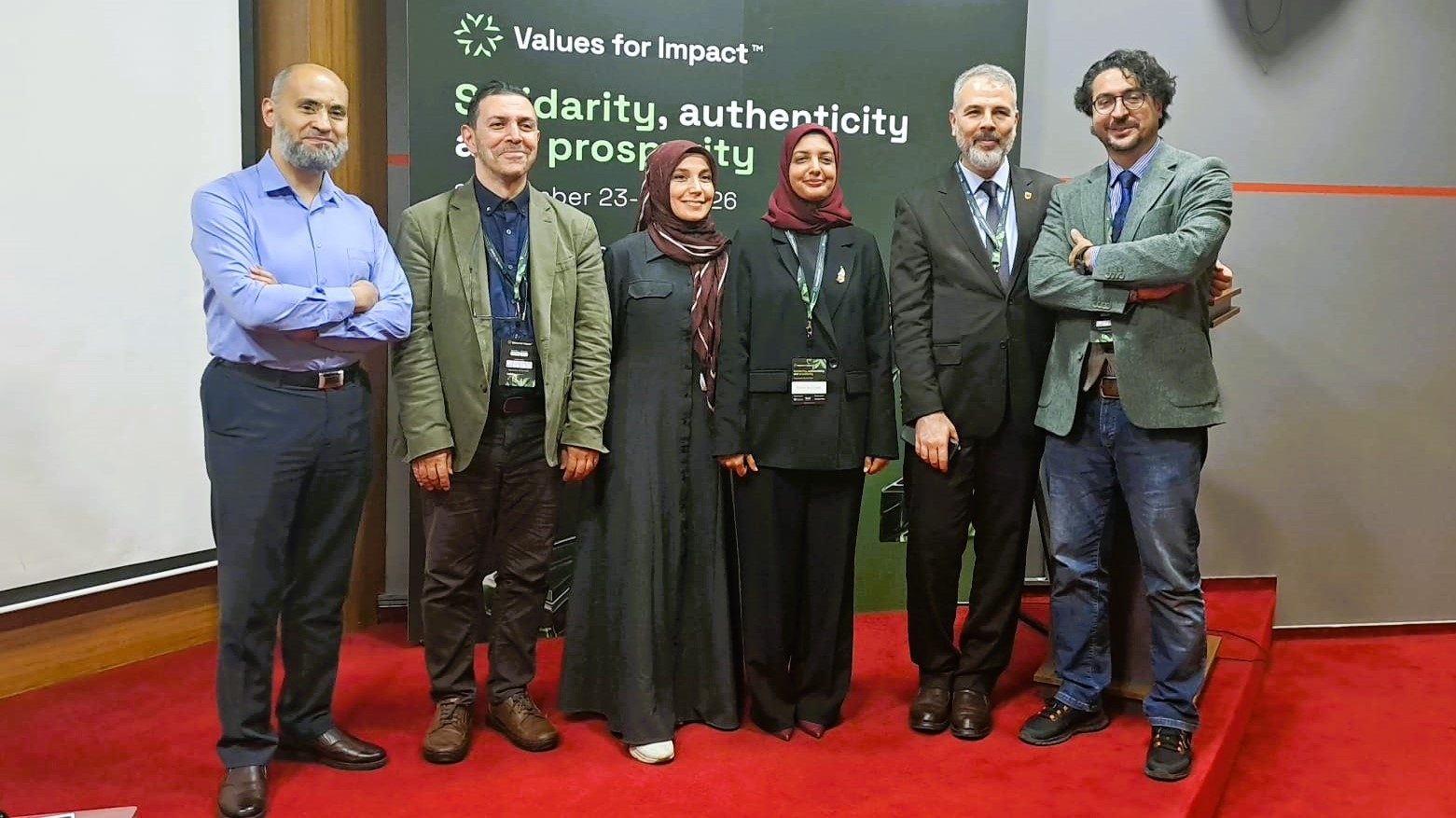
Ibn Haldun University (IHU) made a broad academic contribution to “Values for Impact 2026: Solidarity, Authenticity and Prosperity”, held on September 23-24, 2026, at the International University of Sarajevo (IUS), where IHU participated as a Strategic Partner. Jointly organized by the International University of Sarajevo and the Islamic Development Bank Institute (IsDB Institute), the conference brought together academics, practitioners, and policymakers from different countries to discuss contemporary issues in Islamic economics and finance.
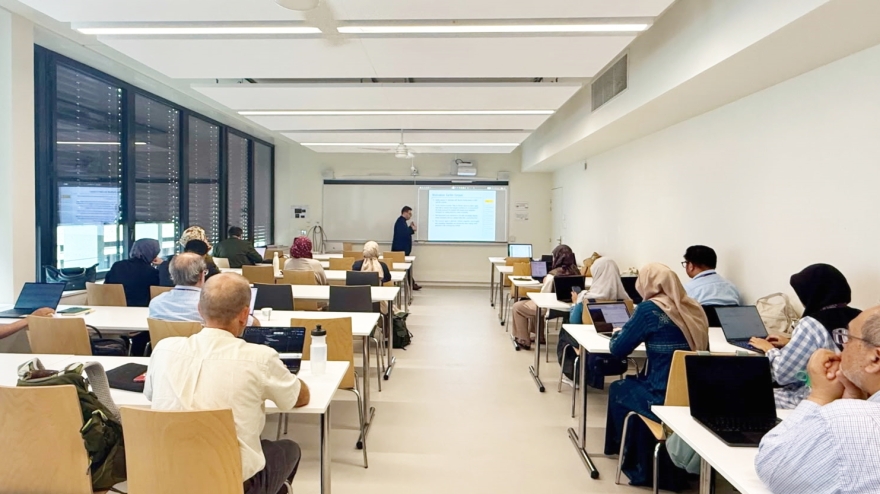
The conference was preceded on September 22 by the “Islamic Finance for the 21st Century” masterclass led by Dr. Sami Al-Suwailem of the IsDB Institute. The main conference opened with remarks by IUS Rector Prof. Dr. Ali Osman Kuşakcı and Dr. Sami Al-Suwailem. The program also featured a keynote address by Prof. Dr. Mehmet Asutay and academic sessions on Islamic moral economy, institutional trust and moral decision-making, participation banking, Islamic social finance, artificial intelligence and digital finance, sukuk and capital markets, financial inclusion, climate and sustainability, and entrepreneurship.
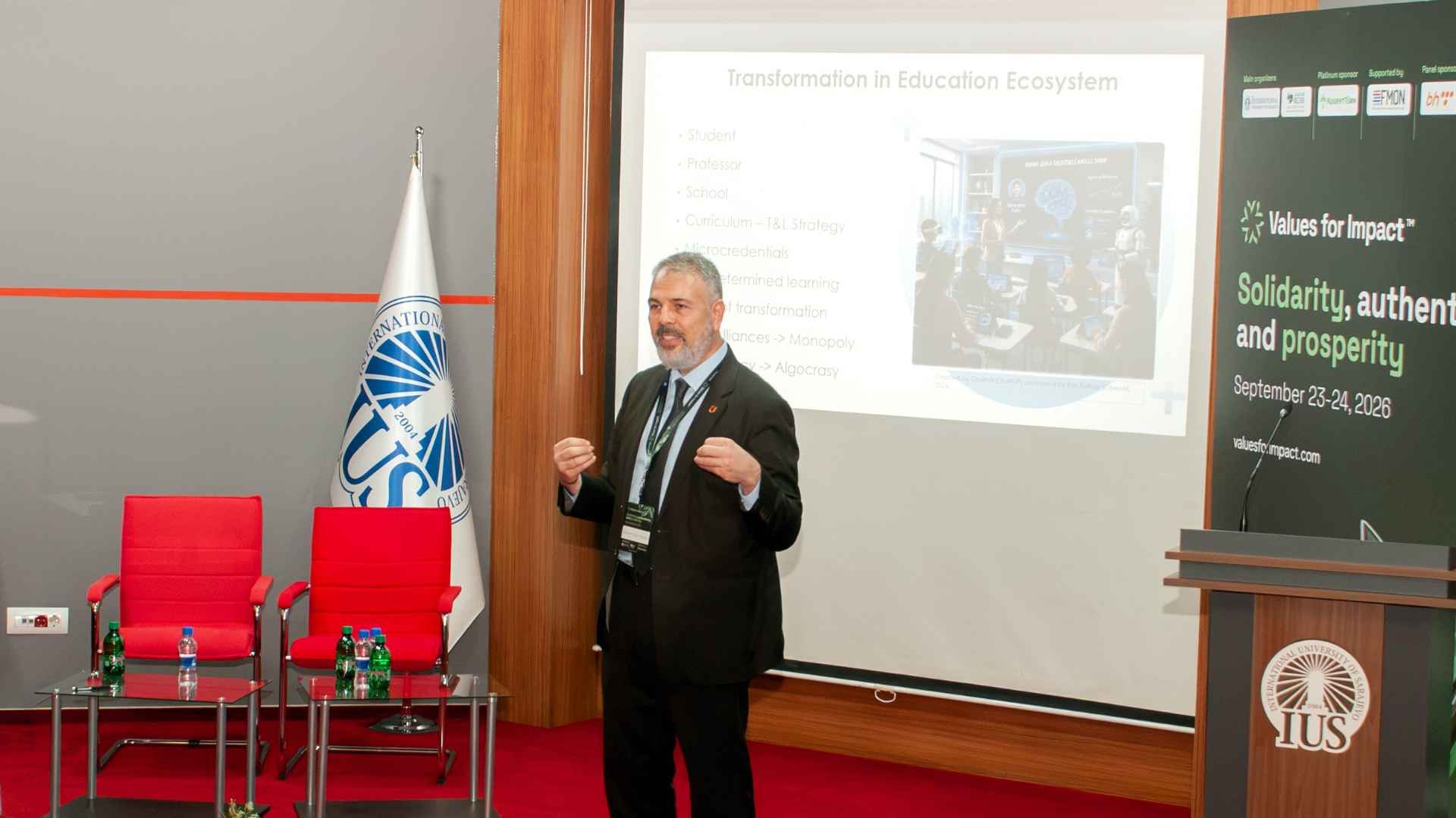
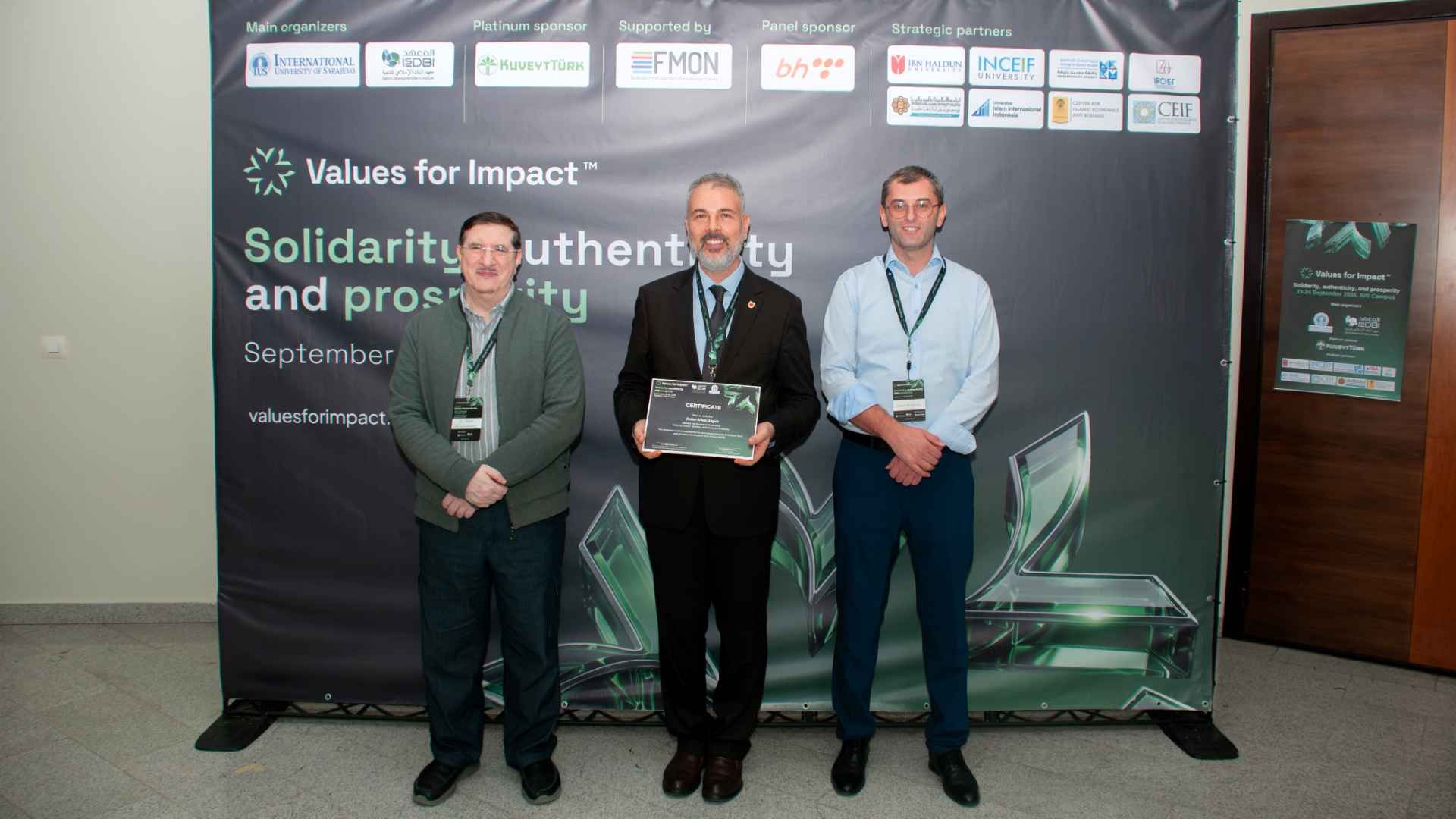
IHU was institutionally represented at the conference by Vice Rector Prof. Dr. Özcan Erkan Akgün, who provided the University’s highest-level institutional representation at the event. Prof. Dr. Akgün also delivered a special address titled “Waqf and the Future of Higher Education”, extending IHU’s contribution beyond academic paper presentations to the institutional level.
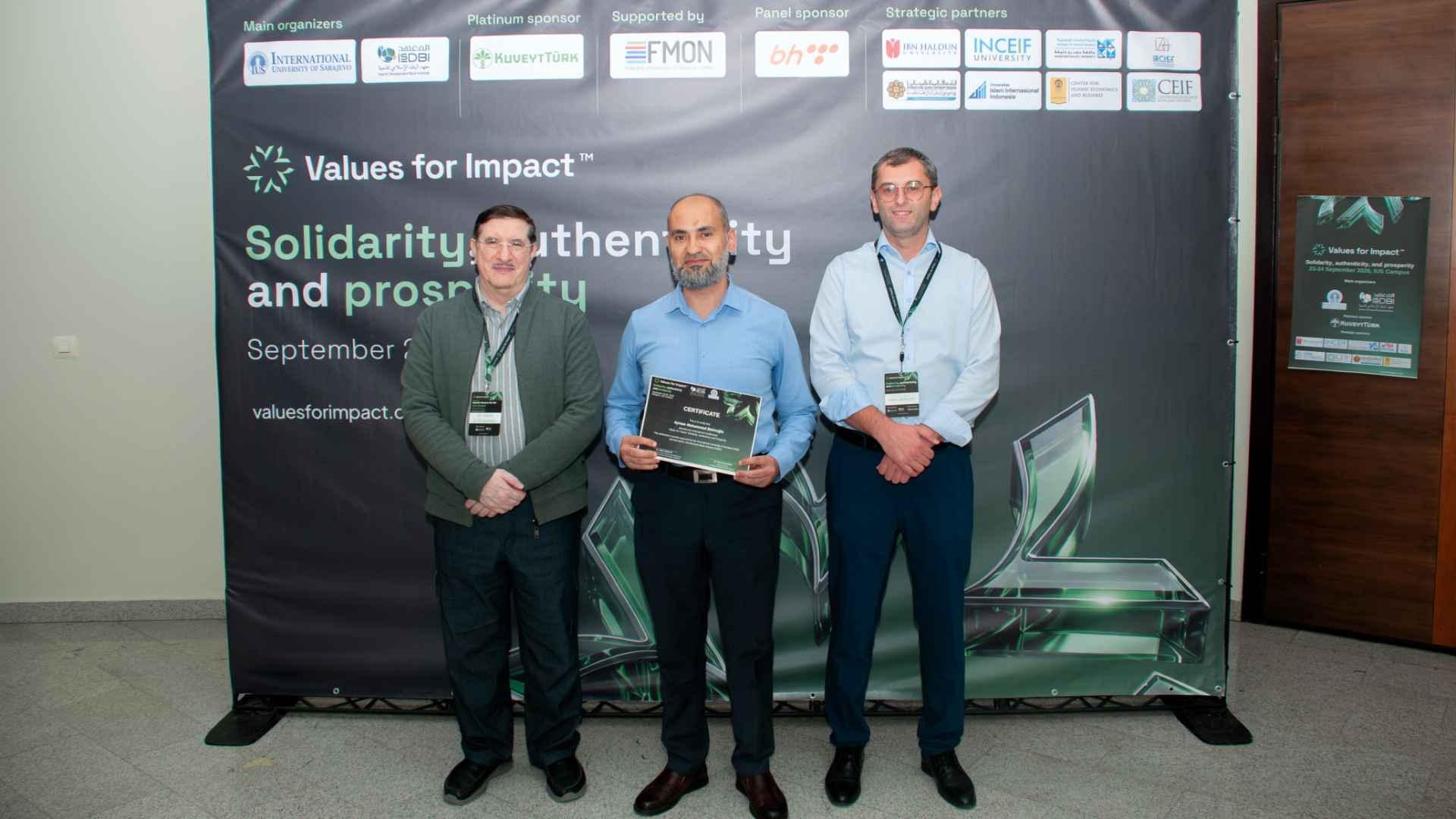
Other IHU-affiliated contributions in the in-person academic program covered a broad range of research areas. Prof. Dr. Hasan Hacak contributed the study “Social Solidarity and Tanasur in Islamic Culture: A New Assessment of Its Concept, Theory and Institutions”, examining social solidarity and the concept of tanasur in Islamic thought from conceptual, theoretical, and institutional perspectives. A coauthored study by Assist. Prof. Ayman Mohammad Bekiroğlu, “Foundations for a Maqasid-Based Framework for AI Ethics: A Bibliometric Mapping of Current Literature”, examined the foundations in the existing literature for a maqasid-based framework for artificial intelligence ethics.
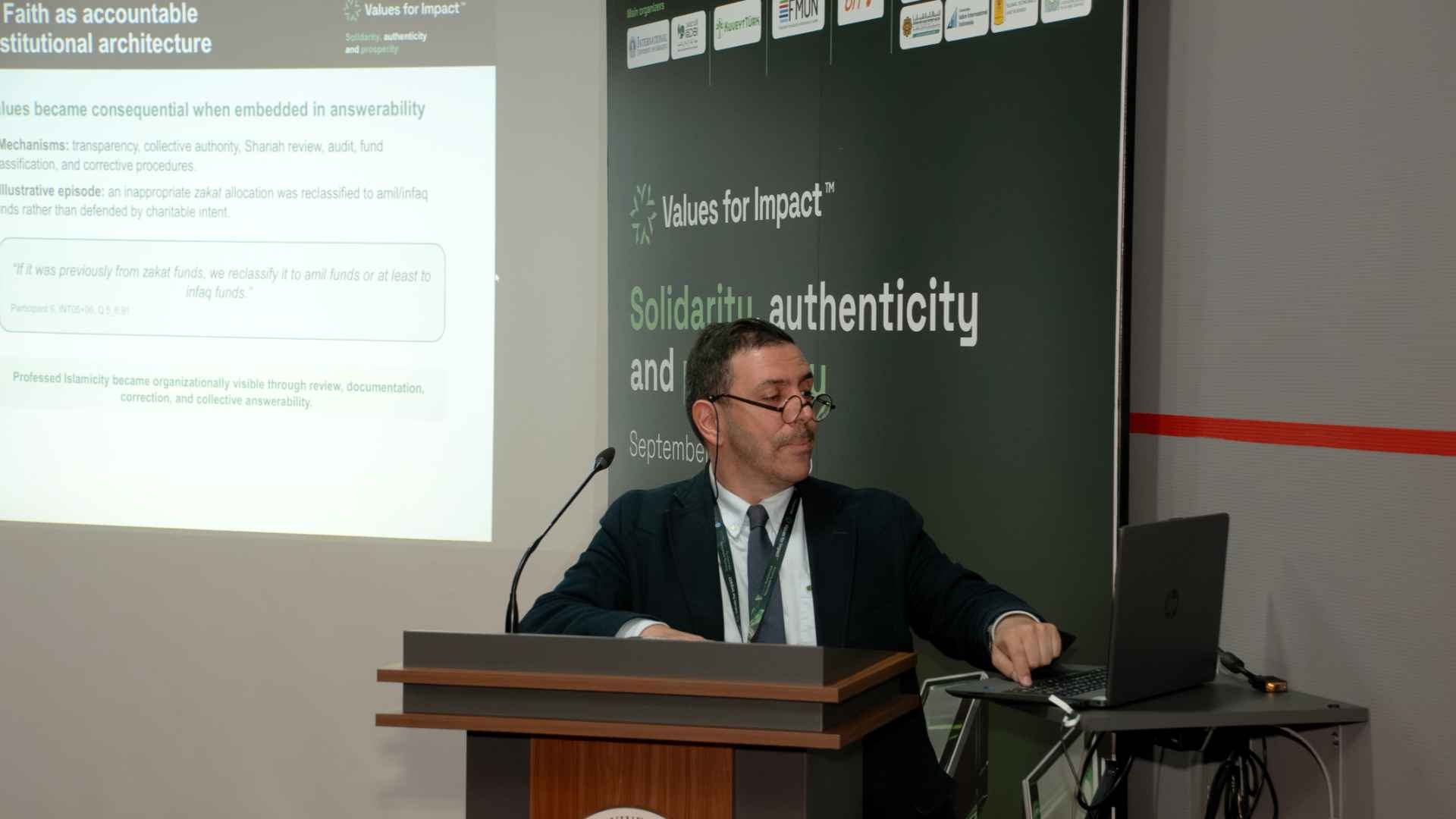
Assist. Prof. Fatih Al presented “Faith, Values and Moral Decision-Making in Practice: Personal Accounts from Muslim Third Sector Leaders in Asia”, coauthored with Prof. Dr. Mehmet Asutay. The study examined how Muslim third-sector leaders describe the place of faith and moral values in organizational decision-making, with particular attention to problem framing, the evaluation of alternatives, and the navigation of competing priorities.
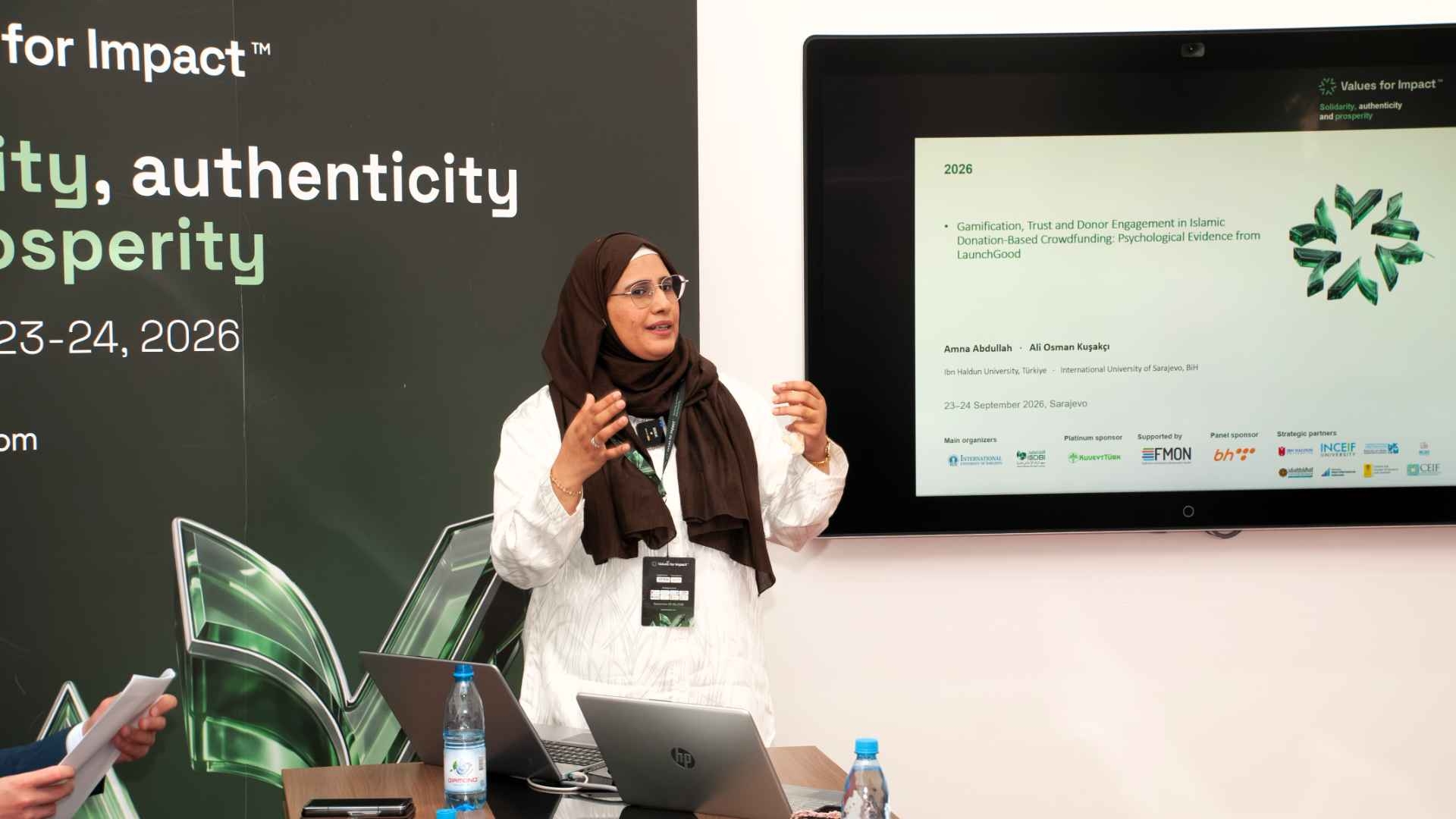
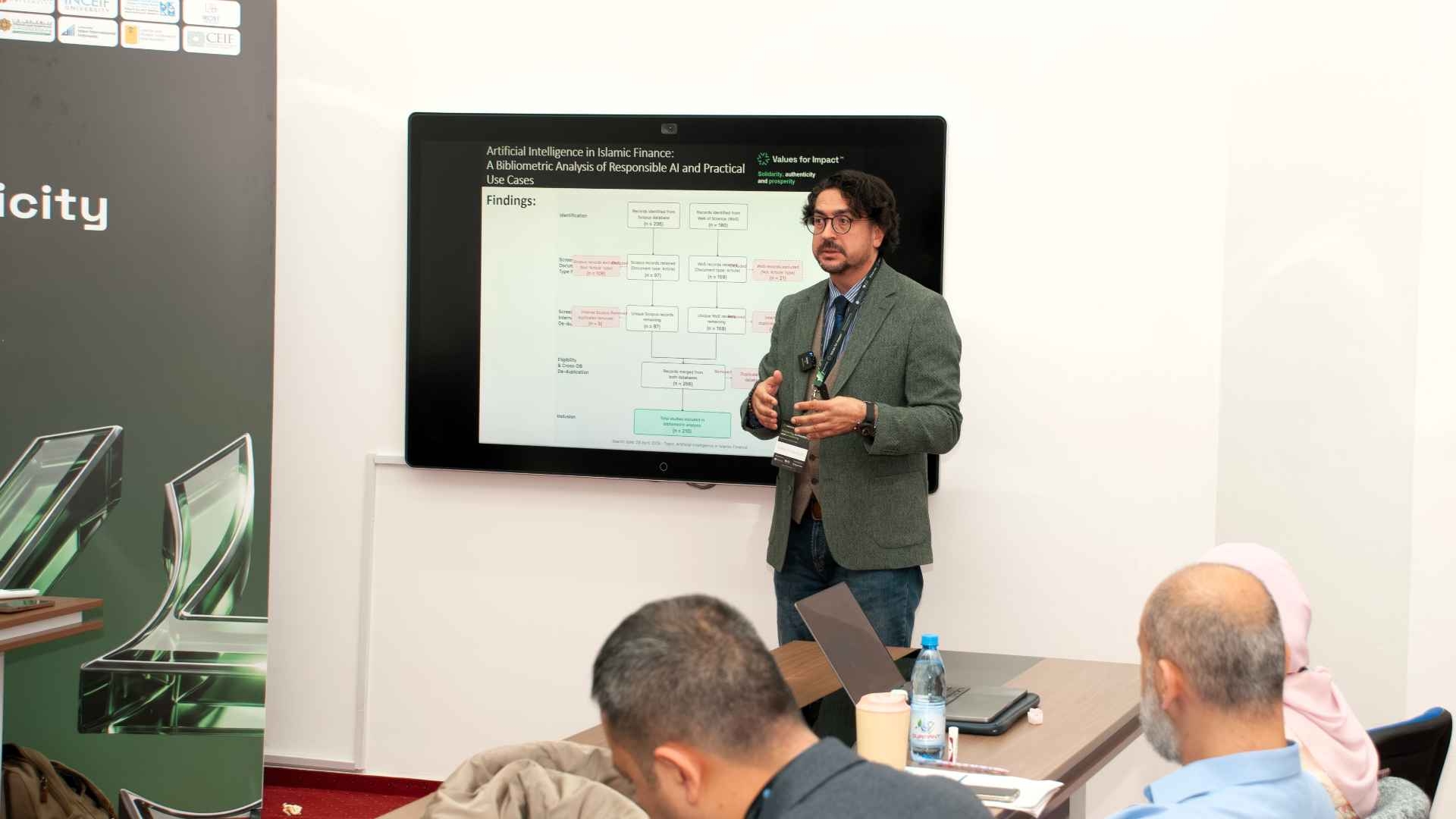
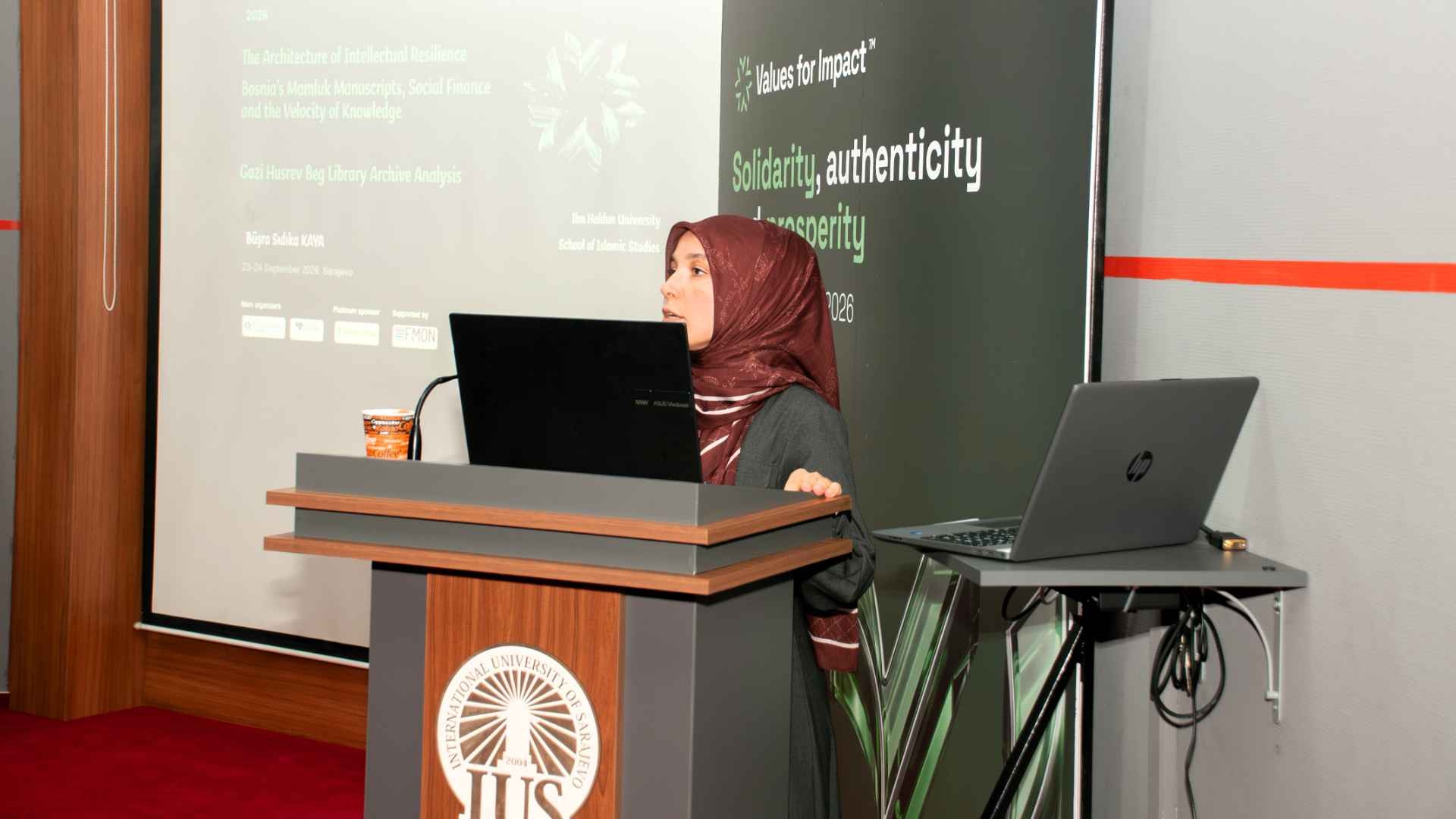
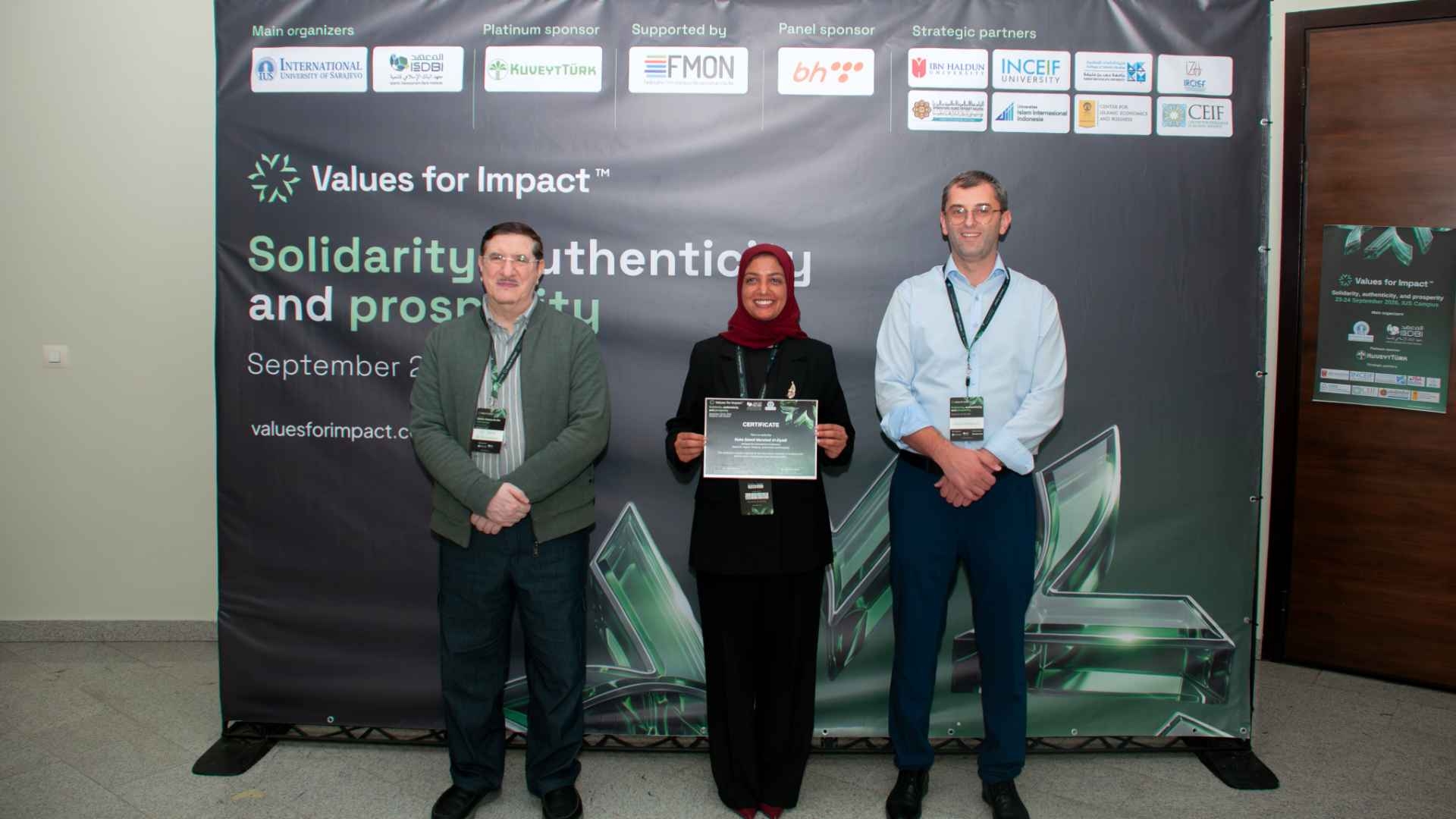
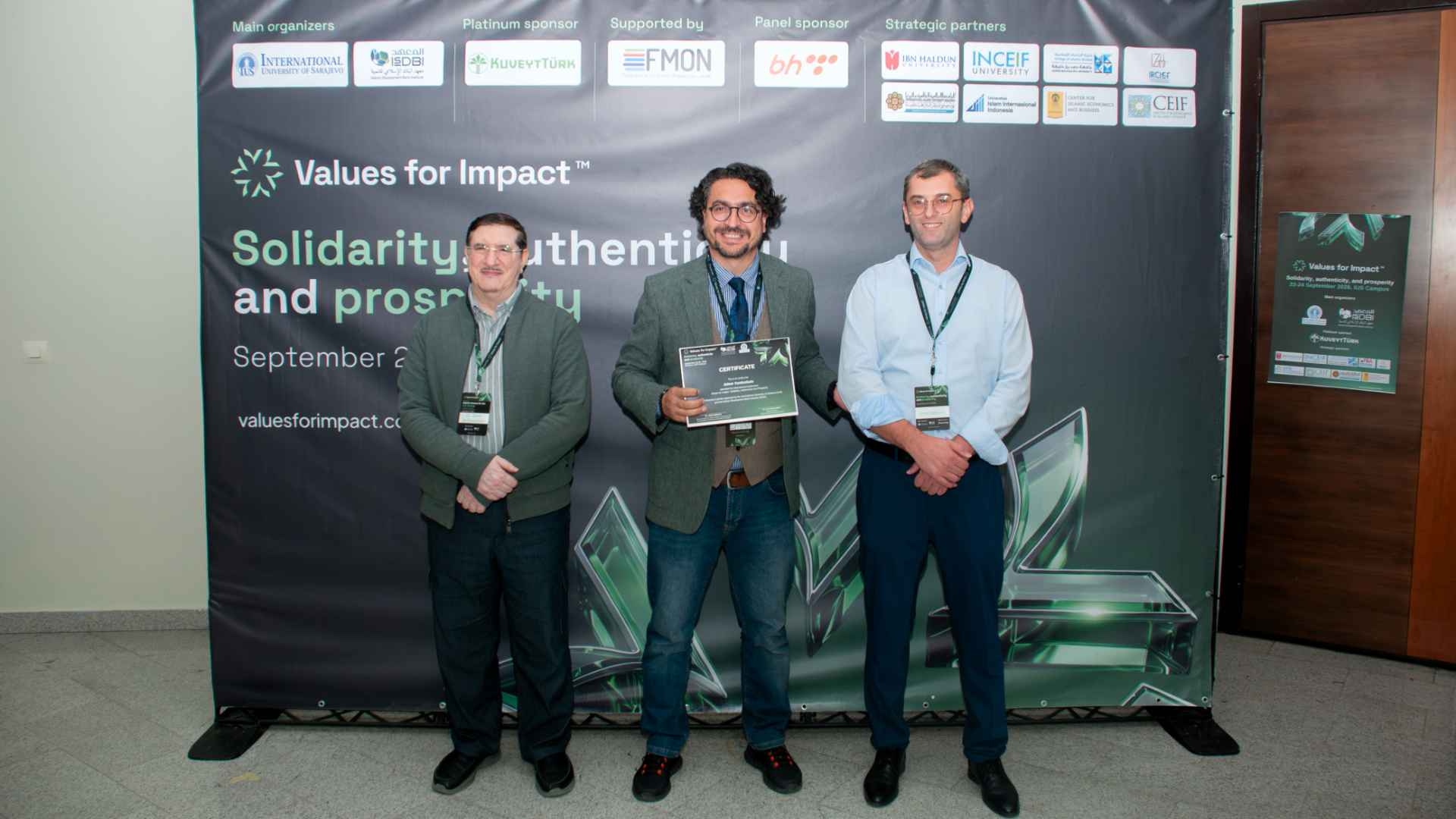
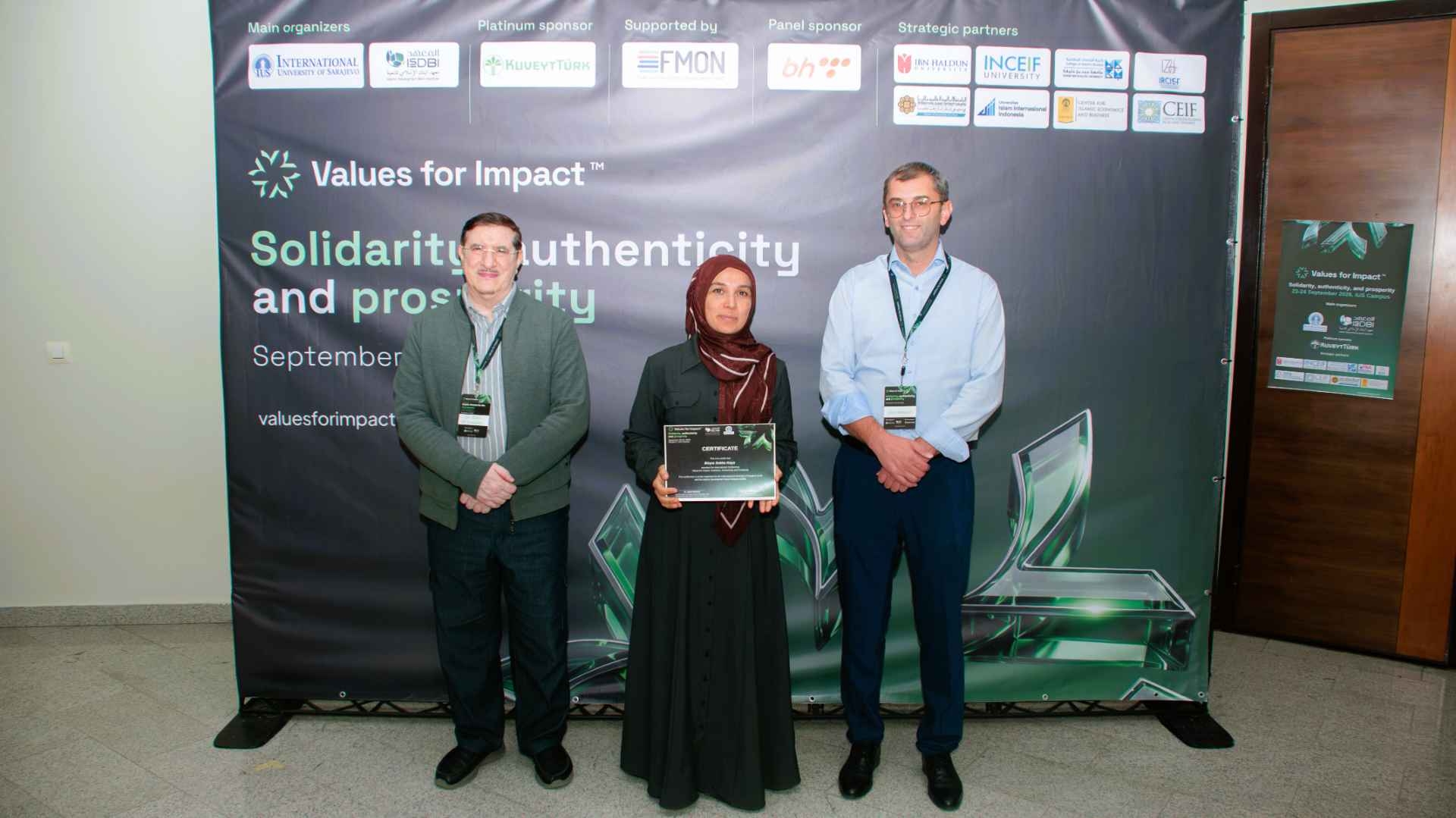
Amna Abdullah, together with IUS Rector Prof. Dr. Ali Osman Kuşakcı, contributed research on gamification, trust, and donor engagement in Islamic donation-based crowdfunding. Nuha Al-Ziyadi addressed gender gaps in financial inclusion through formal banking and mobile money channels across OIC countries. Assist. Prof. Adem Yurdunkulu took part in the in-person academic program with a study coauthored with Assist. Prof. Mehmet Akın Bulut on responsible AI and practical applications of artificial intelligence in Islamic finance. Assist. Prof. Büşra Sıdıka Kaya contributed research examining Bosnia’s intellectual and economic resilience through Mamluk manuscripts held at the Gazi Husrev-Beg Library.
IHU-affiliated research was also included in the online academic program, which ran in parallel with the in-person sessions. Usman Ali and Prof. Dr. Hasan Vergil contributed a study on the determinants of being unbanked across Sub-Saharan Africa. Assist. Prof. Arab Dahir Hassan examined connectedness and spillover dynamics in African Islamic equity markets. Dr. Shlair Alzanganee addressed entrepreneurial development and shifting social norms in transitional economies from a cultural economics perspective. Mohamed Jalloh examined the scope of legitimate money in Islamic jurisprudence in his paper, “What Constitutes Legitimate Money in Islamic Jurisprudence: Gold, Silver, or Beyond”. Inzimam Ur Rehman contributed research titled “Do Sustainable Development Goals Matter for Crowdfunding Success? Evidence from a Reward-Based Platform”, focusing on the relationship between the Sustainable Development Goals and success in reward-based crowdfunding.
IHU’s contributions across both the in-person and online programs strengthened the international visibility of the University’s interdisciplinary research agenda in Islamic economics and finance. As a strategic partner of the conference, IHU also used the event as a platform to deepen academic engagement with IUS, the IsDB Institute, and researchers from different countries while exploring further opportunities for future collaboration.